

SPEED SKATING
How Sprint and Allround Work: Format, History and the Samalog System
04 Mar 2026
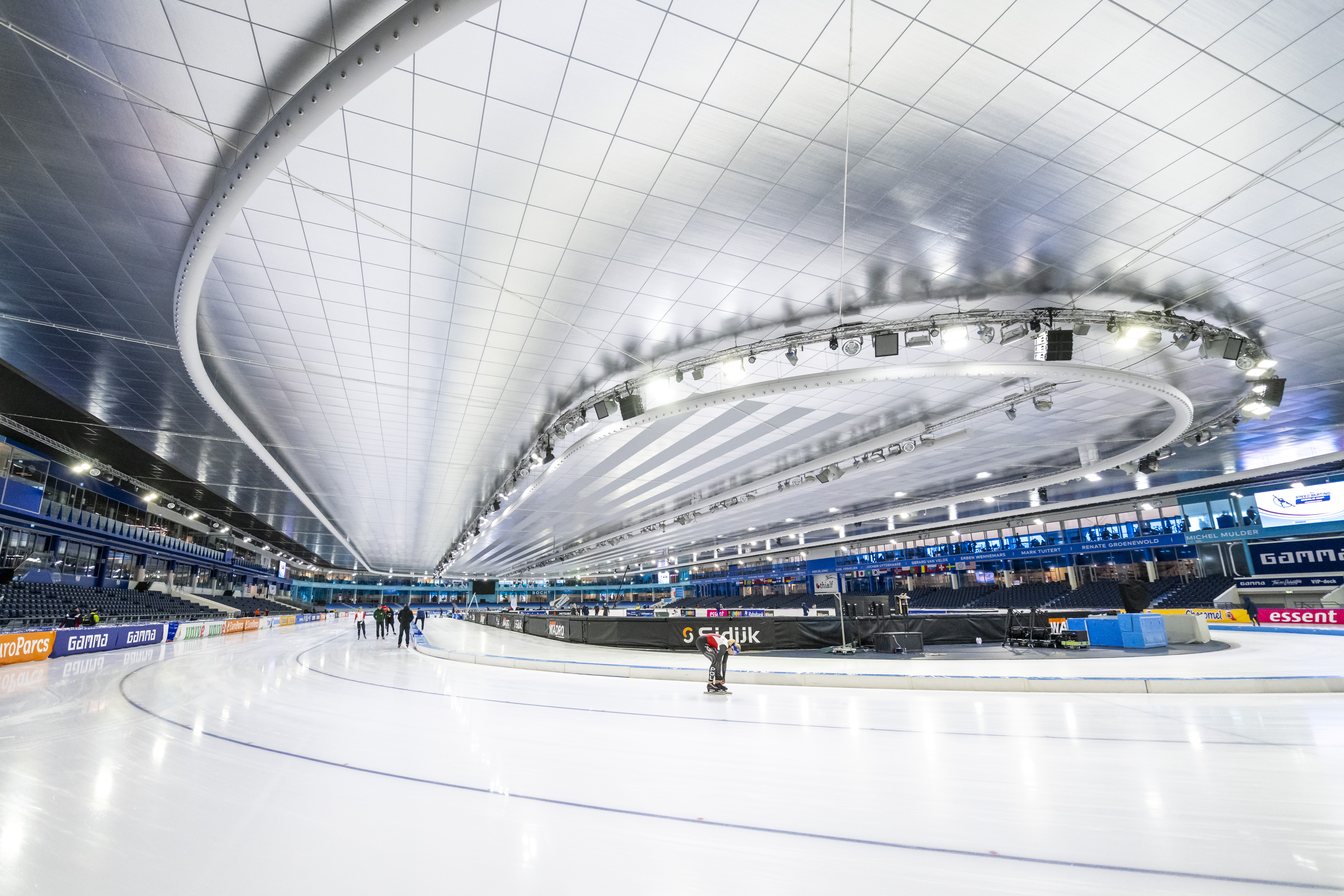
The ISU Speed Skating World Championships – Allround/Sprint will be held in Heerenveen this week. Here are history, format and Samalon score in the Sprint and Allround competitions.
History and Format
While Olympic Games are about single distance titles, the traditional speed skating format is Allround. The first official ISU World Speed Skating Championships were held in Allround format in 1893. Jaap Eden (NED) won the title in Amsterdam.
In the Allround format, a classification is made up after four distances. Men skate the 500m and the 5000m on the first day and the 1500m and the 10.000m on the second. The women’s distances are 500m, 3000m, 1500m and 5000m.
The World Sprint Championships were first held in West Allis in 1970. In this format both the men and the women skate the 500m and the 1000m twice.
In Heerenveen, the Sprint Championships are held on Thursday and Friday, and the Allround Championships are scheduled on Saturday and Sunday.
Samalog score
In both the Sprint and the Allround tournaments the final ranking is based on the so-called Samalog score over four distances. The Samalog system converts times into points, with the 500m as starting point. For a 500m race, the number of seconds counts as the number of points. For the 1000m the number of seconds is divided by two to calculate the number of points; for the 1500m it’s divided by three, for the 3000m by six, for the 5000m by ten and for the 10,000m by twenty.