

SPEED SKATING
Explained: Why Speed Skaters Change Lanes During a Race
01 Jul 2026
Have you ever wondered why Speed Skaters switch lanes every lap?
Unlike most racing sports, Speed Skating requires athletes to move between the inner and outer lanes throughout a race. The reason is simple: to ensure every skater covers exactly the same distance.
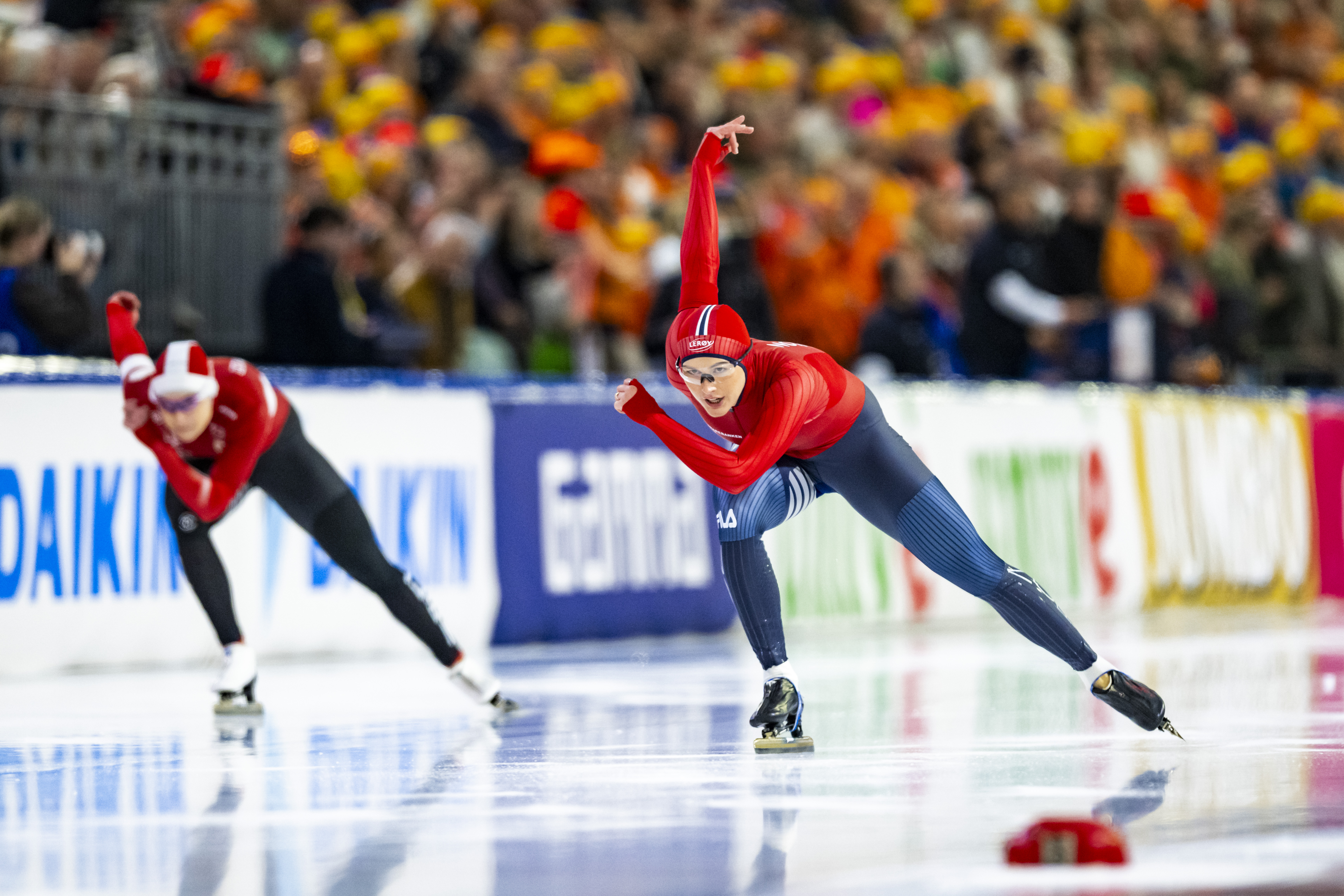
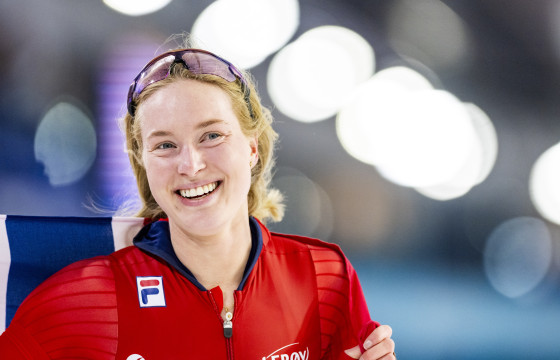
Julie Nistad Samsonsen competes in Women’s 500m at the ISU Speed Skating World Championships Allround/Sprint 2026 in Heerenveen, Netherlands. © ISU
Why do skaters swtich lanes?
An official international Speed Skating track measures 400m and comprises two lanes. The skater in the outer lane obviously has to cover a greater distance than the competitor in the inner lane. To make up for this difference, the skaters switch lanes ever lap. Each skater therefore has one inner, and one outer turn in every lap.
Where do they swtich?
A track typically has two turns and two straights: the finishing straight and the so-called backstretch. Switching lanes always happens at the backstretch.
Skaters are allowed to use the full backstretch to switch lanes. In the event of a potential collision, the skater moving from the outer lane to the inner lane has the right of way.
Why don't they switch in Mass Start and Team Events?
In the Team Events and the Mass Start, skaters don’t switch lanes. Instead, the race distance is measured by a set number of laps rather than metres.
What do the coloured armbands mean?
To identify which skater started in each lane, skaters wear coloured armbands: white for the inner lane and red for the outer lane. In quartet starts, the second pair wears yellow for the inner lane and blue for the outer lane.
Why do some races start from different positions?
Because races take place on a 400m track, the 1000m, the 1500m, the 3000m and the 5000m events include an uneven number of turns. To compensate for this difference, skaters start from staggered positions. After the first (uneven) turn, both skaters have covered the same distance each time they cross the finish line.
Seven centimeters
A full lap always consists of one inner turn, one outer turn and two straights. You might expect these sections to add up to exactly 400m, but they do not.
Because skaters cover a small amount of extra distance while changing lanes, a standard 400m track includes an additional seven centimetres on the backstretch to ensure every lap measures exactly 400 metres.