

FIGURE SKATING
What Is Figure Skating? Rules, Disciplines and How It Works
05 May 2026
Figure skating is one of the most iconic winter sports, combining athletic performance with artistic expression. Governed by the International Skating Union, the sport features multiple disciplines and a structured judging system used in international competitions.
What Is Figure Skating?
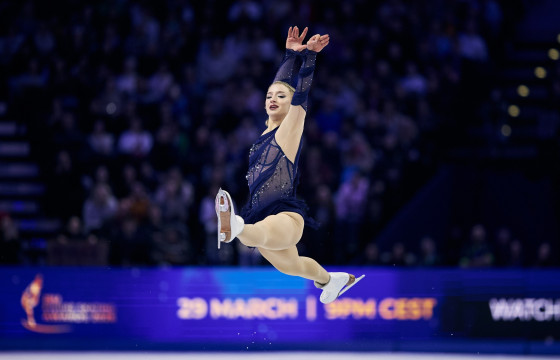
Figure skating is a winter sport where athletes perform routines on ice, combining jumps, spins and footwork with music. It is known for blending athletic skill with artistic expression.
A Brief History of Figure Skating
Figure skating has its roots in ancient times, when people skated on frozen lakes and rivers using blades made from bone or wood.
As a modern sport, figure skating began to take shape in the 18th century. The first skating club was founded in Edinburgh in 1742, followed by the first international competition in Vienna in 1882.
The International Skating Union was established in 1892 and remains the oldest international winter sports federation.
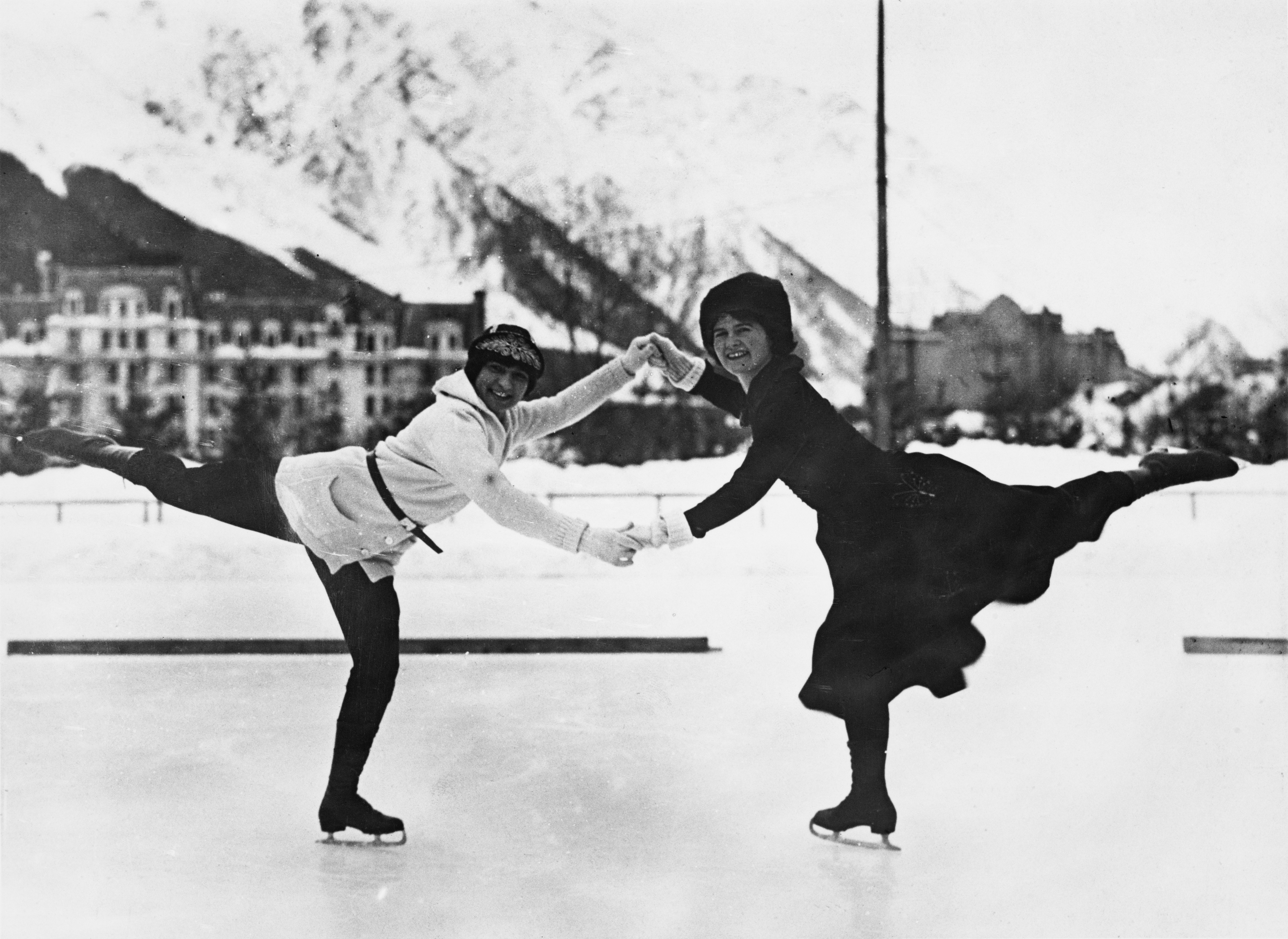
French figure skater Andree Joly (later known as Andree Brunet, 1901-1993) and American figure skater Beatrix Loughran (1900-1975) hold hands as they maintain a pose during a practice session at the Stade Olympique de Chamonix during the 1924 Winter Olympics in Chamonix, France, January 1924. © Getty Images
What Are the Disciplines in Figure Skating?
There are four main disciplines in figure skating:
- Men’s Singles
- Women’s Singles
- Pair Skating
- Ice Dance
Each discipline has its own rules and technical requirements.
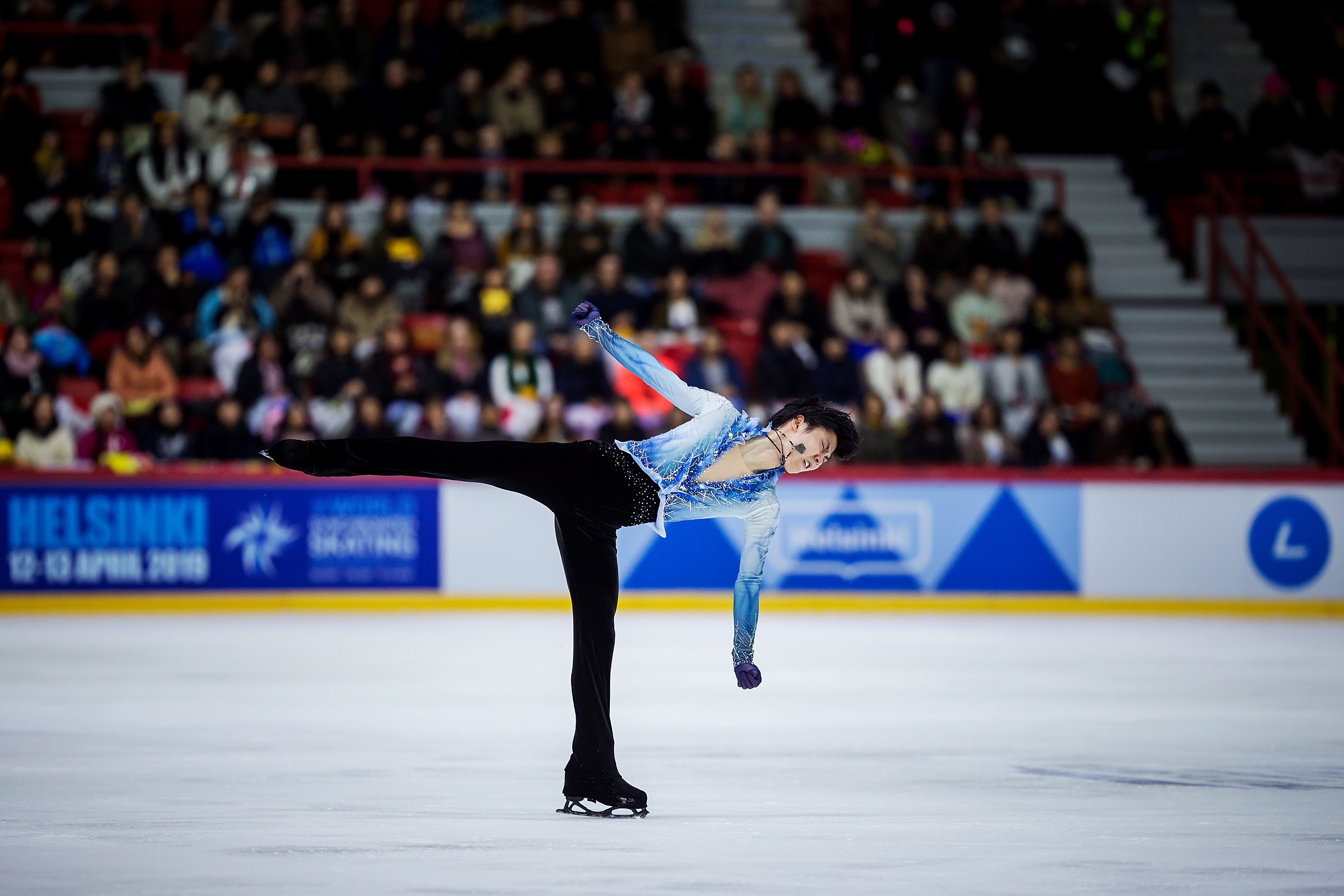
Yuzuru Hanyu competes in the Men's Short Program during day two of the ISU Grand Prix of Figure Skating at the Helsinki Arena on November 3, 2018 in Helsinki, Finland.© ISU
Key Differences Between Disciplines
- Singles: jumps (single to quadruple), spins and footwork
- Pairs: lifts, throw jumps and side-by-side elements
- Ice Dance: lifts, step sequences and musical interpretation (no jumps or throws)
In pair skating and ice dance, athletes compete in mixed-gender teams under current ISU competition rules.
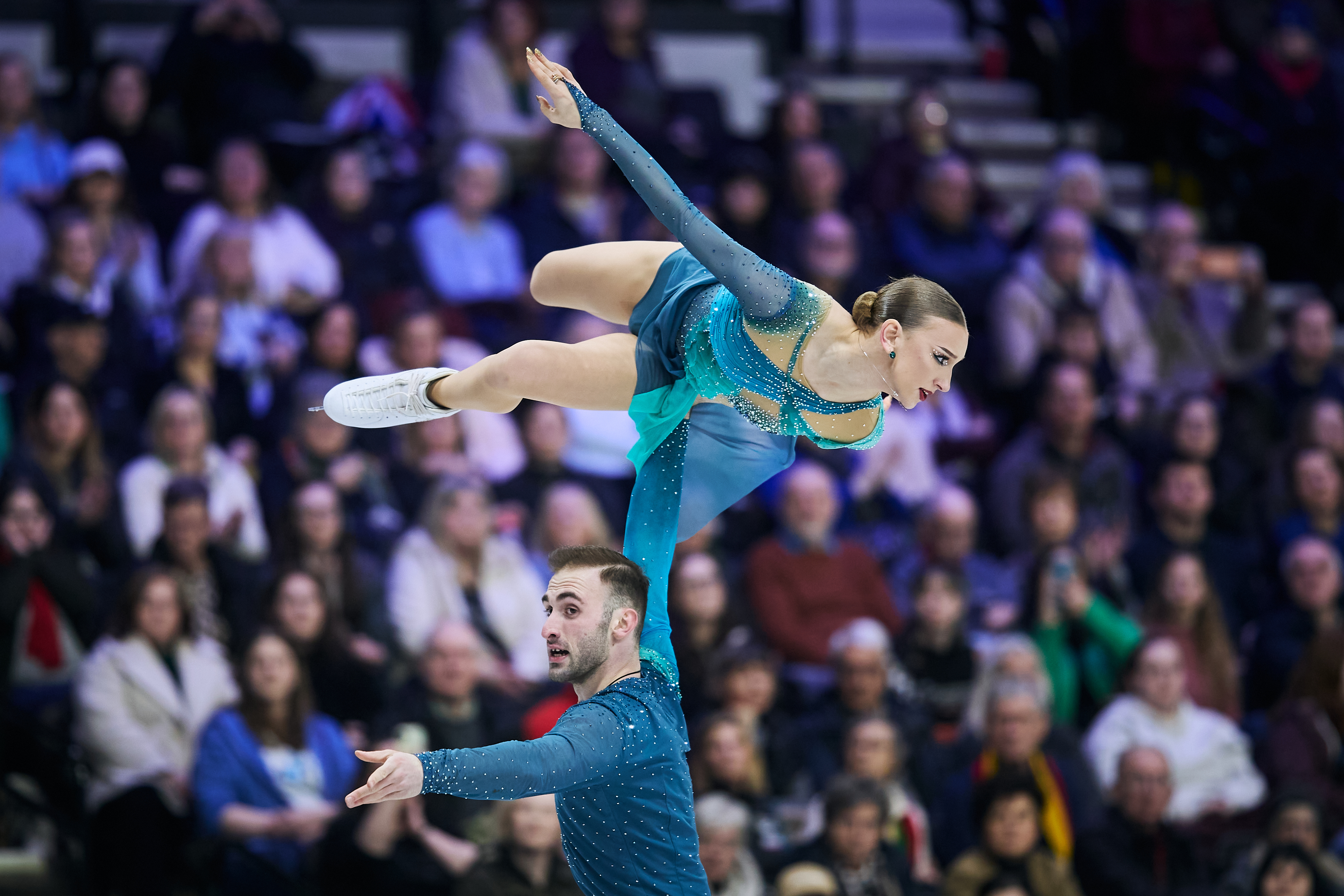
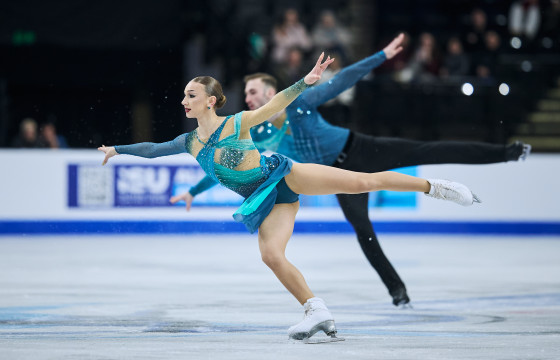
Anastasiia Metelkina and Luka Berulava (GEO) compete in the pairs free skating during day 2 of the ISU European Figure Skating Championships 2026 in Sheffield, England. © ISU
How Do Figure Skating Competitions Work?
Figure skating competitions consist of two segments:
- Short Program / Rhythm Dance (approx. 2 minutes 50 seconds)
- Free Skating / Free Dance (approx. 4 minutes)
Skaters perform to music, which can include both instrumental and vocal tracks. Each segment has specific technical requirements.
Final rankings are determined by the combined scores of both segments.
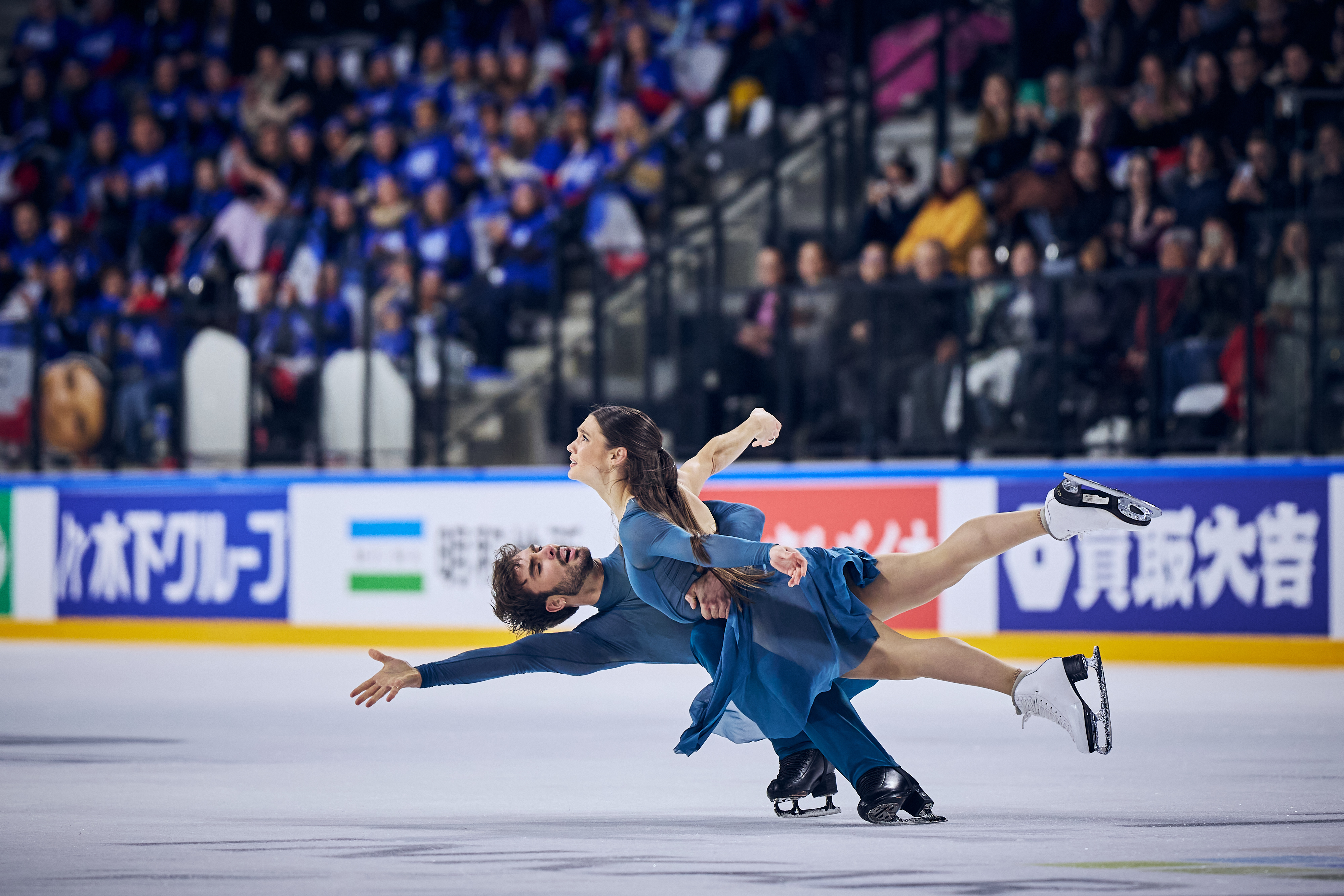
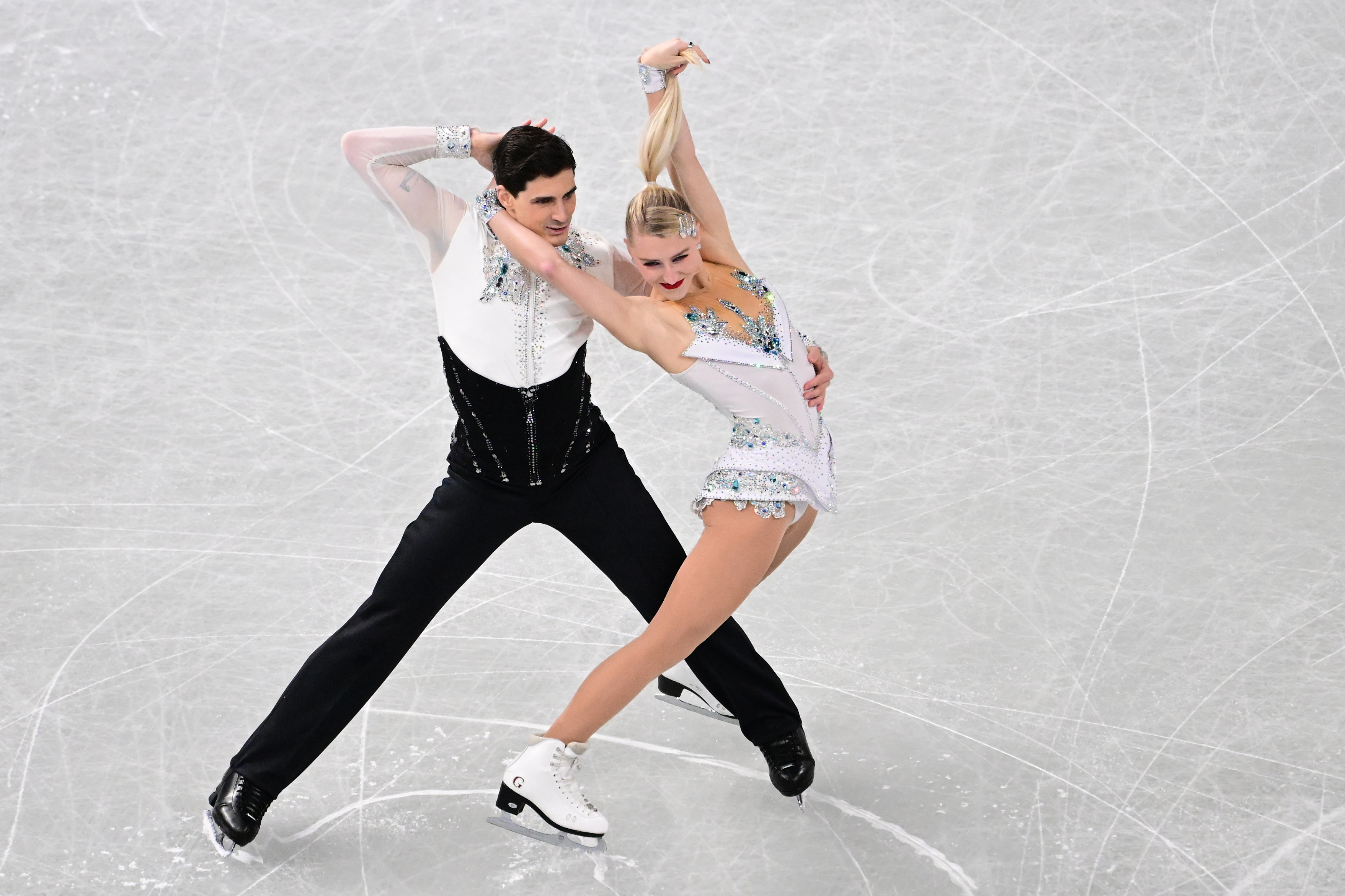
Laurence Fournier Beaudry and Guillaume Cizeron (FRA) compete in the Ice Dance Free Dance during the ISU Grand Prix of Figure Skating - Grand Prix de France 2025 in Angers, France © ISU
How Does Scoring Work in Figure Skating?
Figure skating uses the ISU Judging System, which evaluates both technical execution and performance quality.
Scoring Breakdown
- Technical Elements Score (TES): Points for jumps, spins, lifts and step sequences based on difficulty and execution
- Grades of Execution (GOE): are applied by Judges to reflect how well each segment is performed.
- Program Components Score (PCS): Makrs for performance aspects such as speed, skills, choreography and interpretation
The total score is calculated by combining TES and PCS for each segment. The skater with the highest total score wins.
Why Is Figure Skating Unique?
Figure skating combines sport and performance in a way few disciplines can match. Skaters are not only athletes, but also performers, using music and choreography to tell a story on the ice.
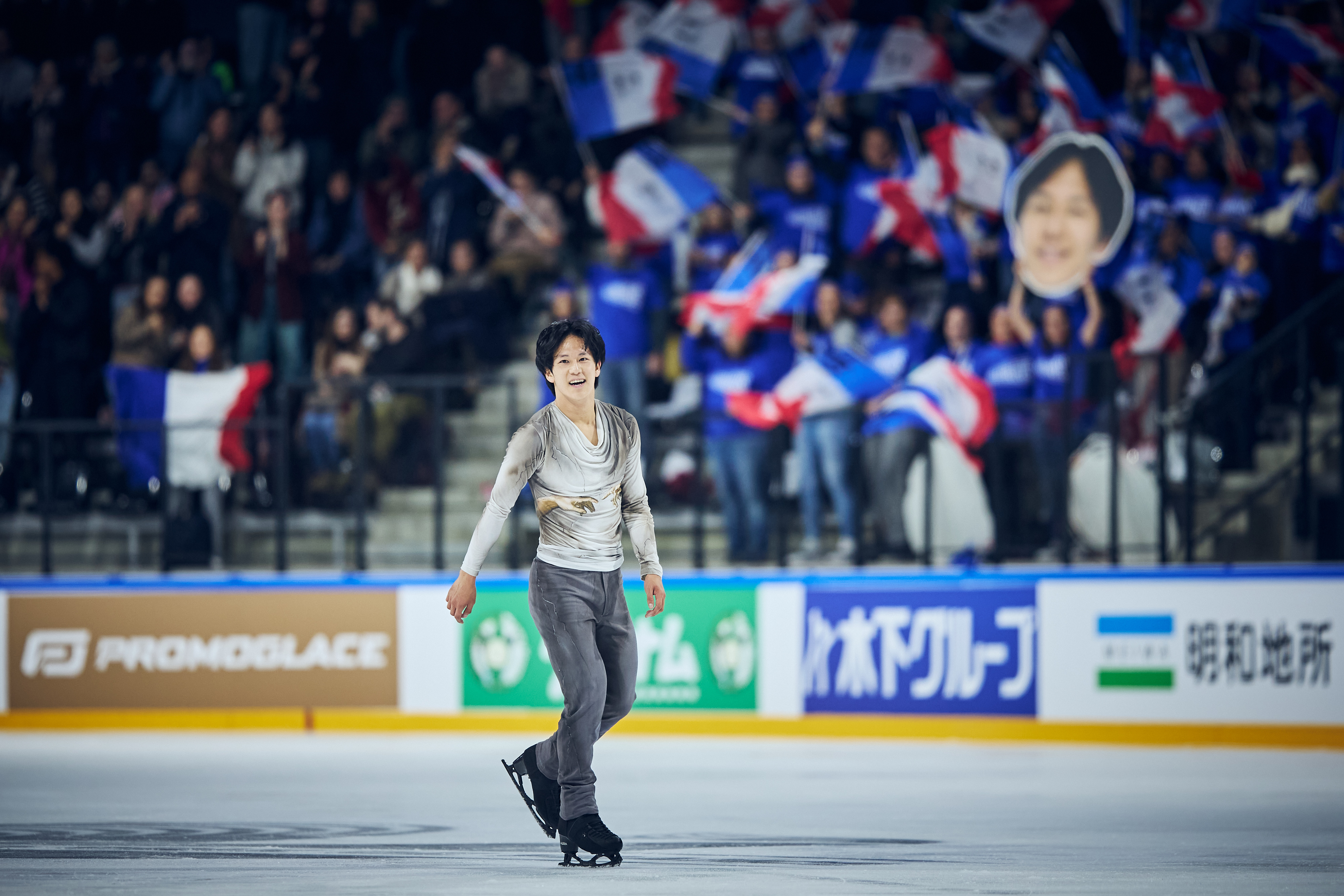
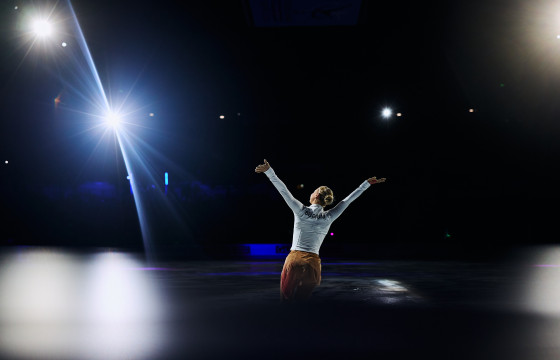
Crowds cheer Adam Siao Him Fa (FRA) after his performance in the Men's Free Skating at the ISU Grand Prix of Figure Skating - Grand Prix de France 2025 in Angers, France © ISU
A Fan Guide to Figure Skating
Figure skating audiences are known for their passion and creativity.
- Cheering and applause during performances are welcome
- Fans often bring flags and banners
- It is tradition to throw soft toys or flowers onto the ice after a performance
These traditions make figure skating events unique and engaging for spectators.