FIGURE SKATING
Speaking Through Movement: Inside Figure Skating Choreography
12 Aug 2026
When figure skaters take to the ice, whether individually or as part of a couple, they showcase far more than a sequence of jumps, spins, lifts and intricate steps. They tell a story, build a connection with the audience and the judges, and captivate with a program crafted specifically for them.
At the heart of all this is choreography.
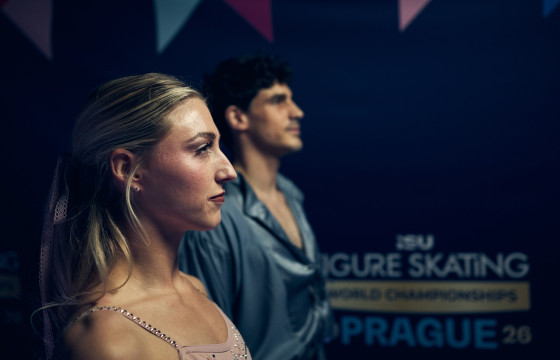
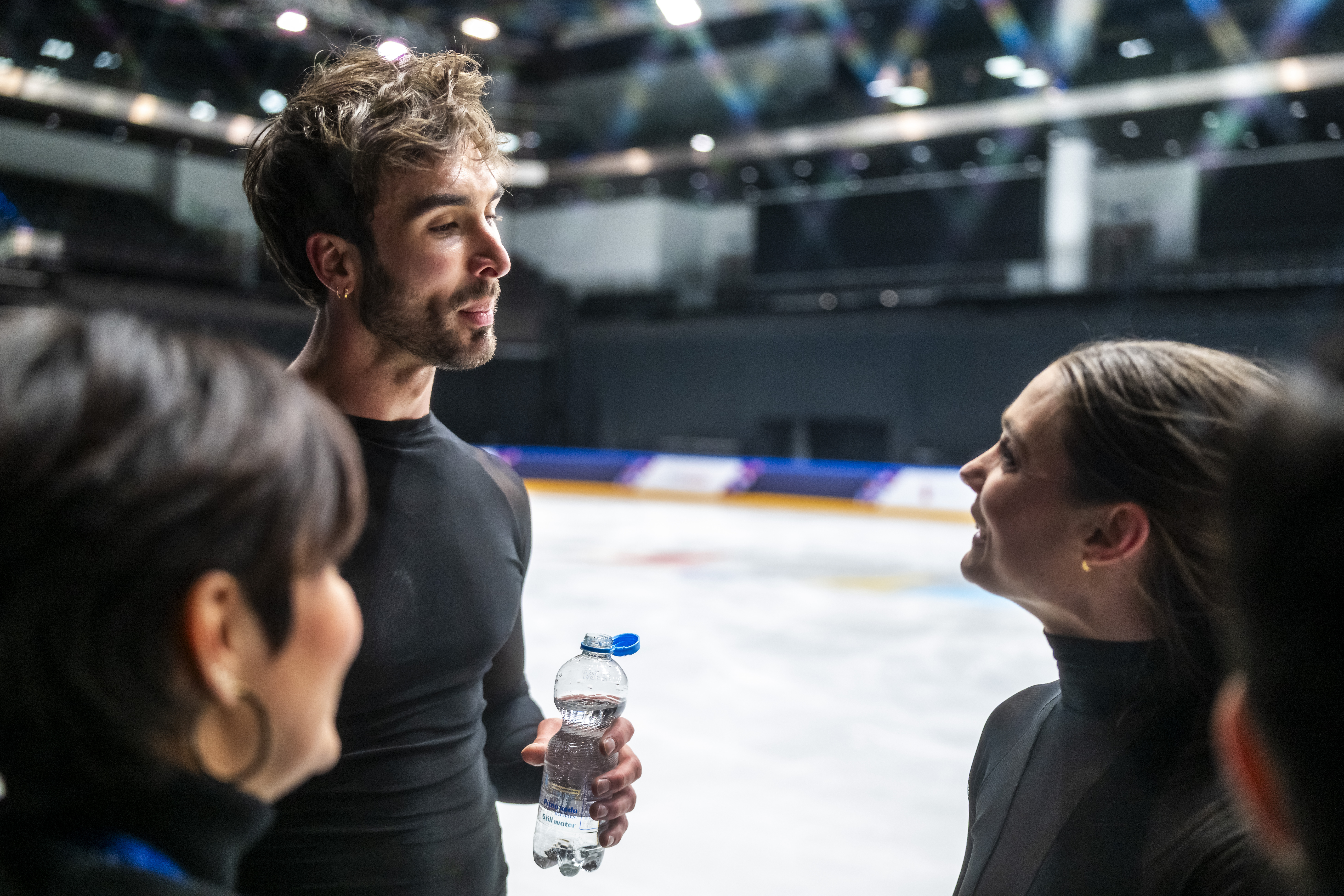 Guillaume Cizeron, Laurence Fournier Beaudry and their choreographer Marie-France Dubreuil during their practice session at the ISU Figure Skating World Championships 2026 in Prague, Czechia. © ISU
How Does Figure Skating Choreography Work?
Work on a new program begins shortly after the season ends. Skaters, coaches, and choreographers share ideas and brainstorm potential pieces of music. It is a highly creative and exciting phase for everyone involved.
Selecting the Music: For most programs, the music is chosen first, then edited and arranged to fit the required time limits. Choreographers often collaborate with music editors or composers to create a seamless track. Occasionally, however, the creative concept comes first, with the music then selected to fit the vision.
Developing a Concept: Some programs follow clear, well-known narratives drawn directly from the music, such as Carmen or Pirates of the Caribbean. For other programs, the team develops an abstract theme or custom storyline.
Special Rules for Ice Dance: For the 2026/27 season, the theme is “Rhythm and Waltz,” requiring couples to incorporate prescribed waltz characteristics and rhythms into their routines.
Building a Program On and Off the Ice
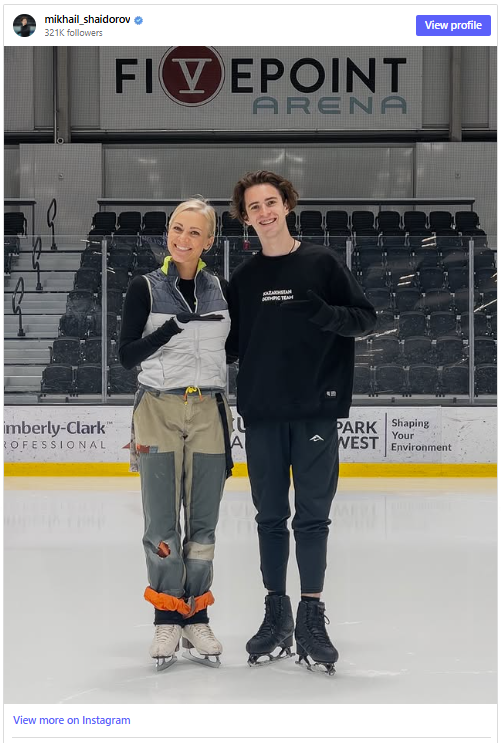
While every choreographer has a unique method, almost all begin with thorough research, especially when collaborating with a skater for the first time. They evaluate the athlete’s skating style, technical strengths, and movement capabilities to determine how best to highlight their qualities on the ice.
The majority of choreographers build the program directly on the ice alongside the skater. As they listen to the music, the choreographer demonstrates and explains their vision, while the skater observes, interprets, and repeats the movements.
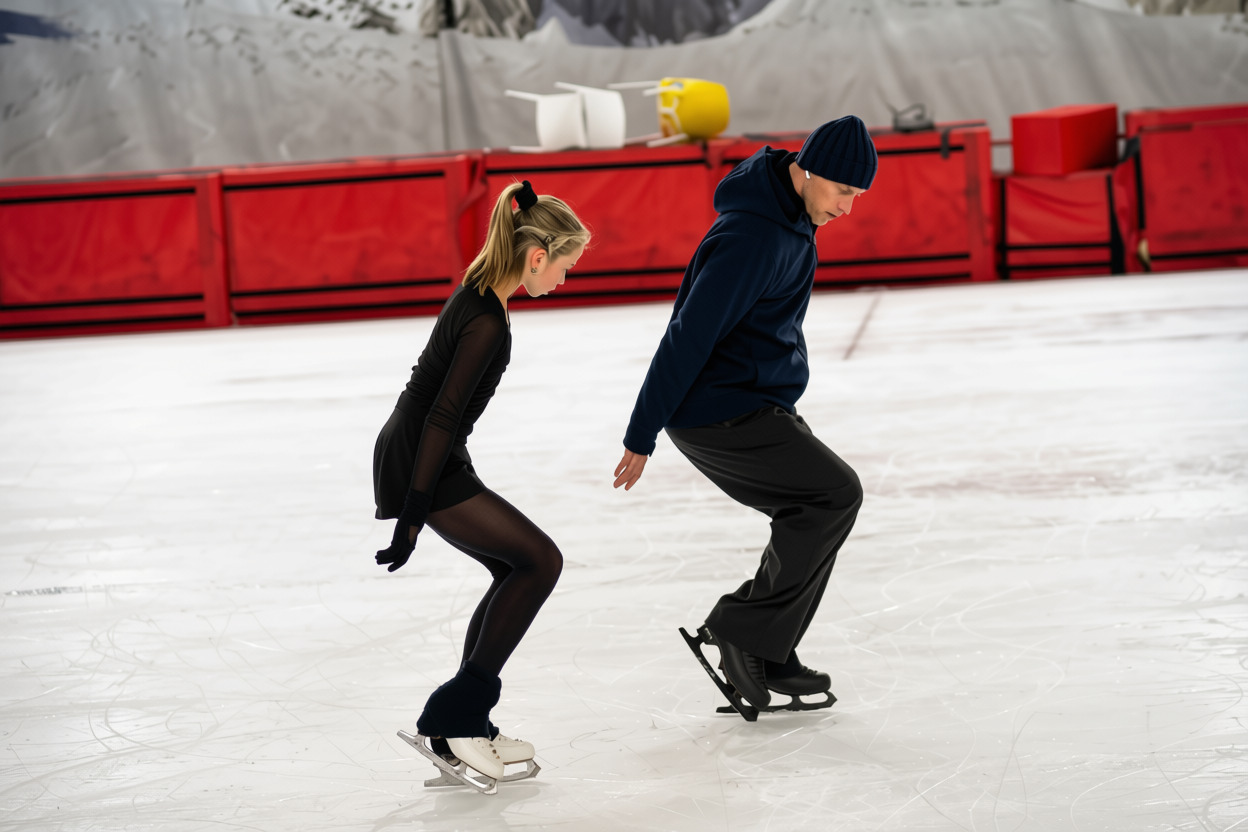
Elina Goidina and Benoît Richaud during a training camp in Courmayeur, Italy, in June 2026 © Tatjana Flade / ISU
“We speak through movement,” says award-winning choreographer Benoît Richaud.
Step by step, each section of the program takes shape. It is vital that the choreography feels natural to the athlete, as they must perform complex transitions and technically demanding elements within the program.
Off-ice training plays a crucial role as well. Skaters spend hours practicing fine detail work, body alignments, and facial expressions in front of a mirror before transferring those movements to the ice.
How Long Does It Take to Choreograph a Program?
The time required to craft a new routine depends on several factors, including the skater's skill level and the overall complexity of the composition. Depending on the program, the initial choreography can take anywhere from a few hours to an entire week.
However, the choreographer’s role does not end once the layout is set. Choreography is an ongoing process: throughout the season, skaters and choreographers continuously refine, adjust, and polish the program, whether working together in person or reviewing the program through video analysis.
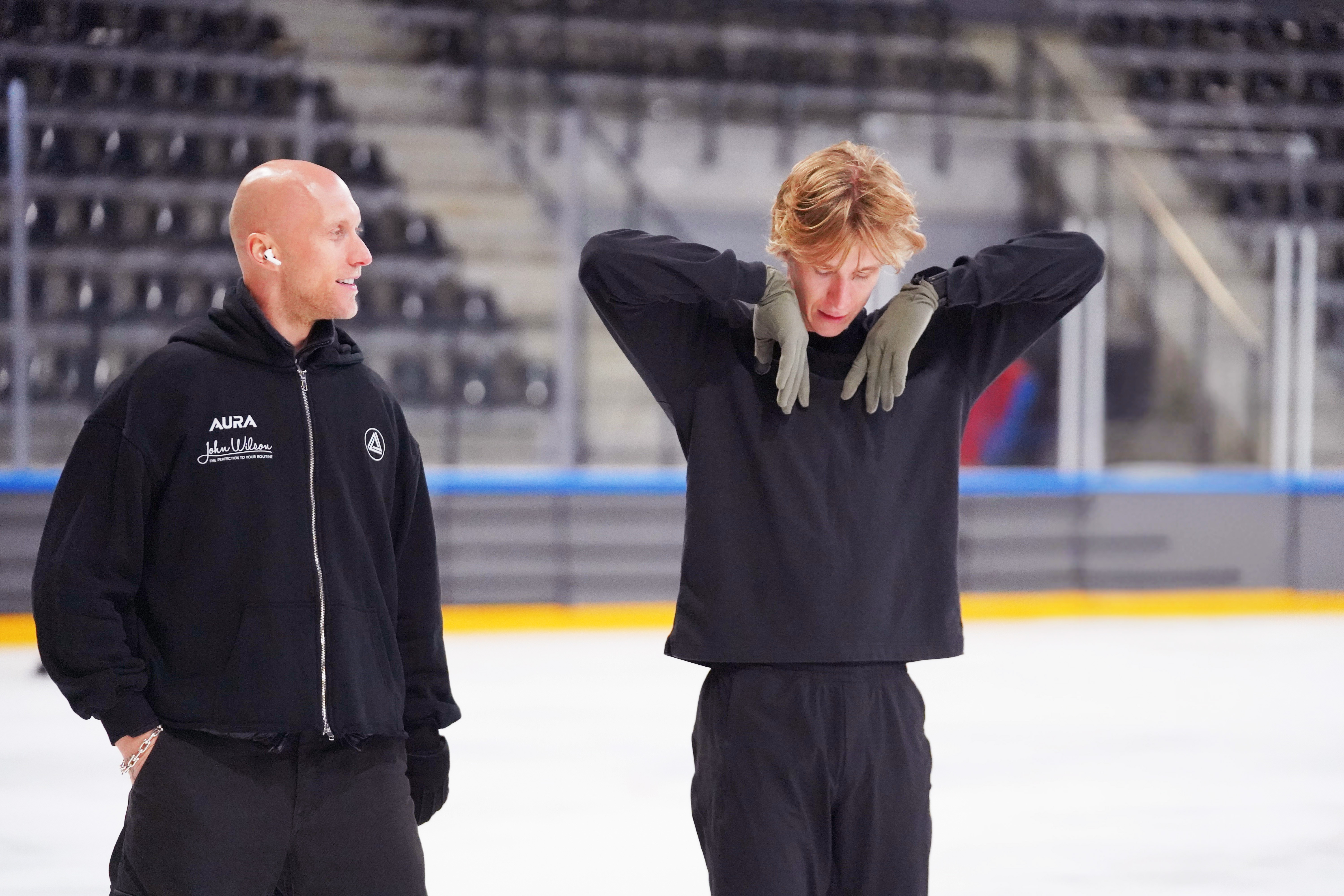
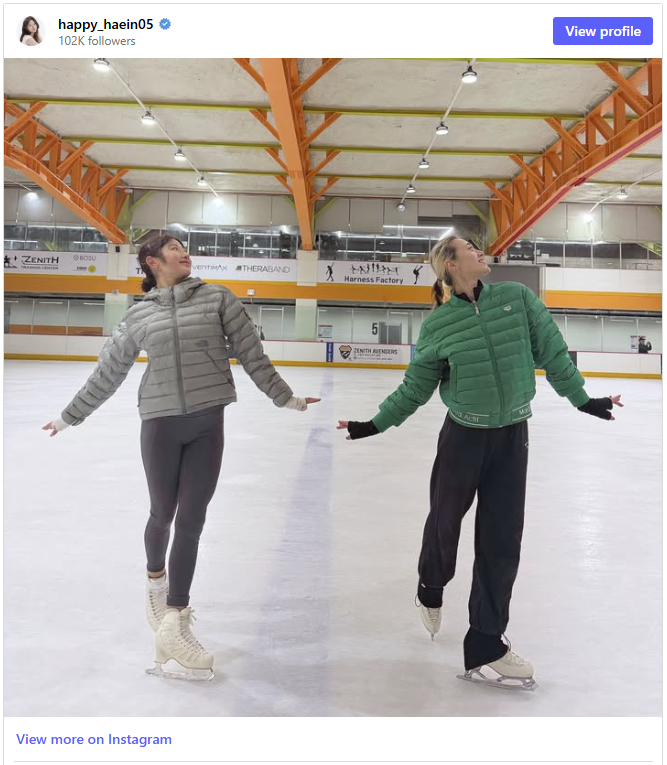
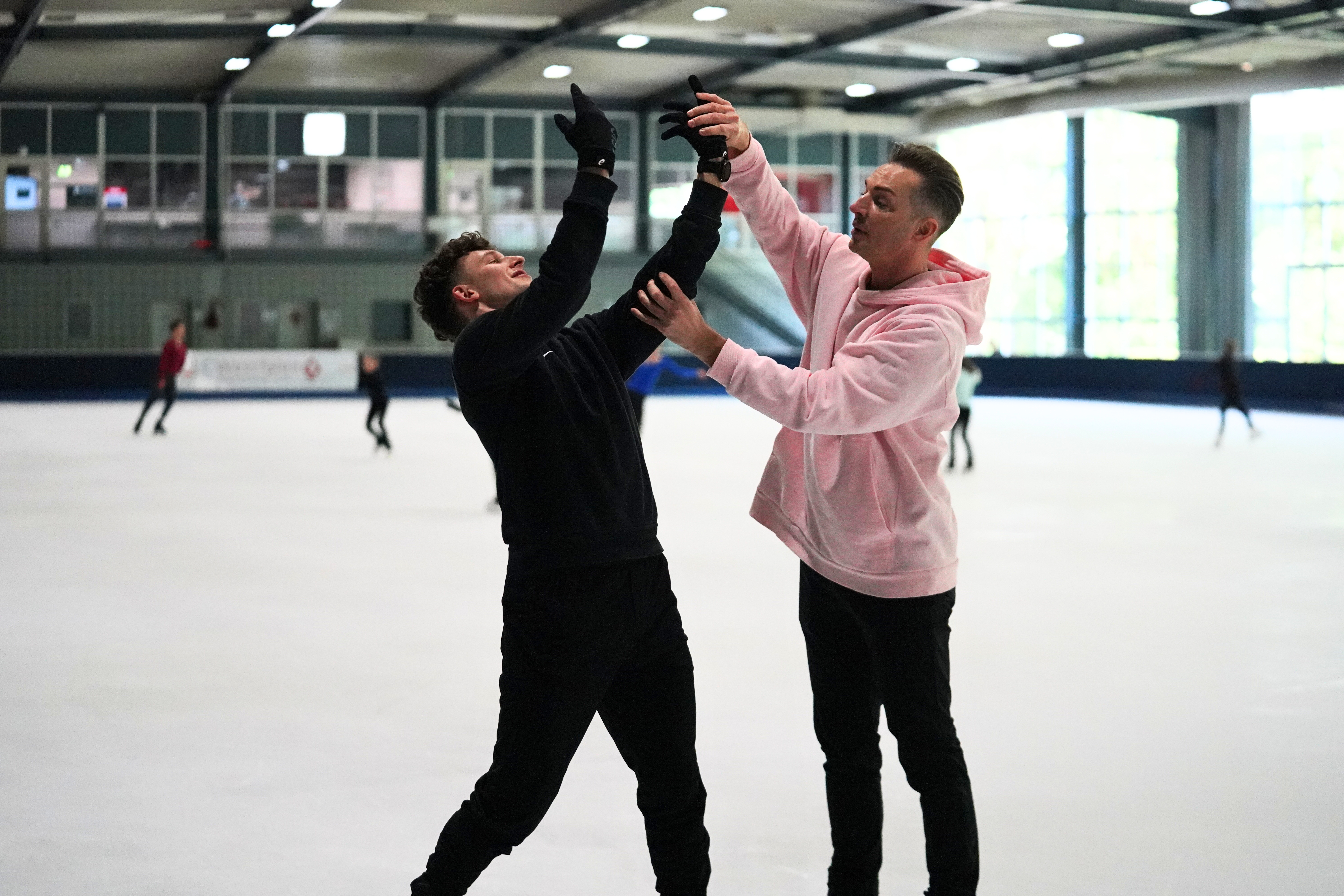 Lukas Britschgi and Adam Solya during a summer training camp in Dortmund, Germany. © Tatjana Flade / ISU
Who Are Famous Figure Skating Choreographers?
The ISU has nominated outstanding choreographers for the ISU Skating Awards to honor their work. Here are some well-known choreographers and the skaters they have worked with:
- Shae-Lynn Bourne, a former Canadian ice dancer and World Champion (Ilia Malinin, Junhwan Cha, Yuna Aoki)
- Benoît Richaud, a former ice dancer from France (Adam Siao Him Fa, Kaori Sakamoto, Emilea Zingas & Vadym Kolesnik)
- Stéphane Lambiel, a former World Champion and Olympic medalist from Switzerland (Shoma Uno, Deniss Vasiljevs, Lara Naki Gutmann).
- Lori Nichol, a former Canadian skater and show performer (Yuma Kagiyama, Mao Shimada)
- Ice Academy of Montreal with former top ice dancers Marie-France Dubreuil, Romain Haguenauer and others (Laurence Fournier Beaudry & Guillaume Cizeron, Madison Chock & Evan Bates, Riku Miura & Ryuichi Kihara)
- Adam Solya, a former ice dancer and musical performer originally from Hungary (Loena Hendrickx, Anastasiia Gubanova, Lukas Britschgi).
- Mark Pillay, a former Canadian skater (Niina Petrokina, Minerva Hase & Nikita Volodin)
You may also like
Figure Skating Jumps Explained: All 6 Types (Axel, Lutz, Salchow & More)
Sweating On and Off Ice: Inside Figure Skaters' Summer Training