FIGURE SKATING
Different sports, different skates: These boots were made for skating
07 Feb 2026
Figure Skating, Short Track, Speed Skating and Ice Hockey are all sports performed on skates. However, the equipment the athletes use is very different. Let’s have a closer look…
From bones to steel
People began skating thousands of years ago in ancient times. It is believed that the activity originated in Scandinavia and Russia as early as 1000-2000 BC, when people attached animal bones with leather strips to their sandals to move across frozen lakes. The Dutch developed skating further, with blades made of steel and with edges. The Dutch transported goods on frozen channels by the 16th century.
Later, recreational skating became popular in Europe and then North America. Eventually, it was a sport.
The different ice skating sports have different needs. Figure Skaters need to glide, spin and jump, Speed Skating and Short Track athletes need to race across the ice, and Ice Hockey players have to be fast and agile.
Modern blades are mostly made of carbon steel or stainless steel.
Figure skating blades & boots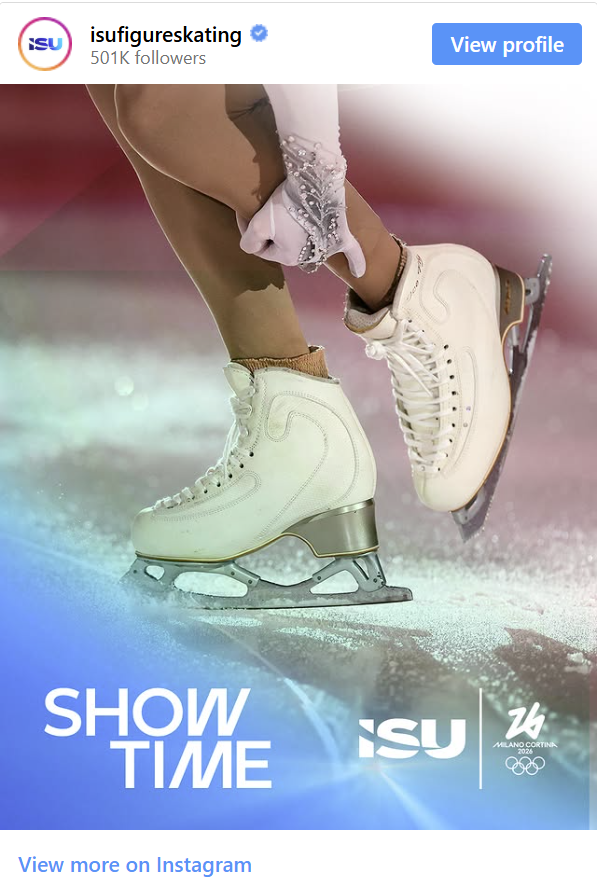
- Blades have a toe pick to perform jumps
- The blade is curved and extends past the foot
- Ice dance blades are a bit shorter in the rear and have a smaller toe pick than figure skating blades
- Blades are about 4 to 5 millimeters thick and 20 to 30 centimeters long. The length depends on the boot size
- Blades have edges so that skaters can move on the inside or outside edge
- Boots are made of leather or modern synthetic materials
- Figure skaters have stiff and higher boots that give them more support.
- Ice dancers sometimes prefer a lower cut boot to be able to bend their knees better
Speed skating blades & boots
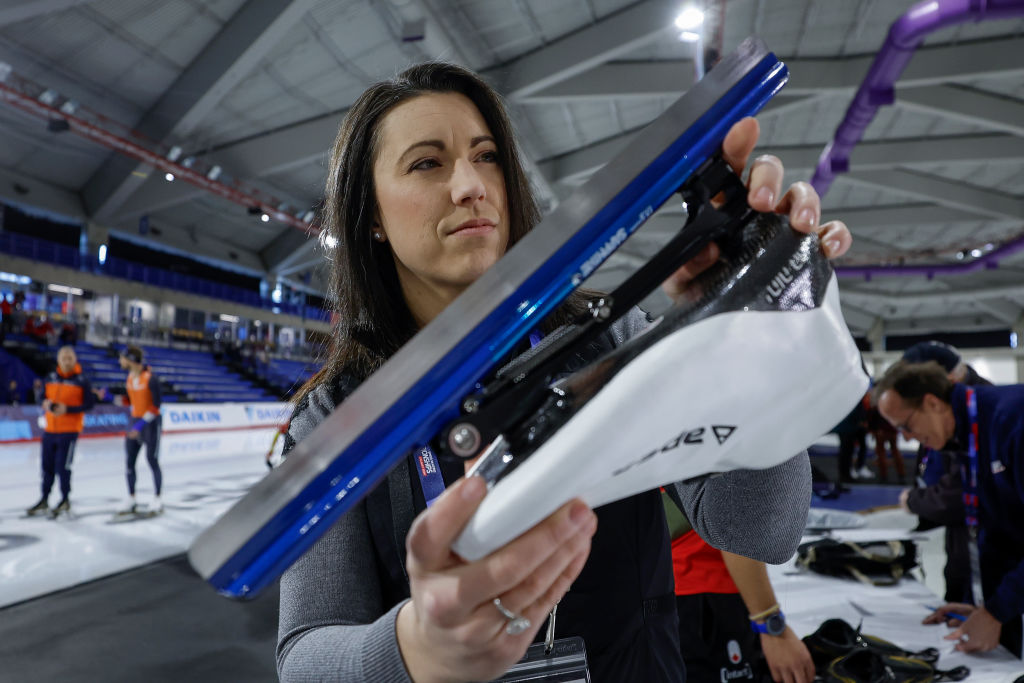
Corner judge Melanie Winters checks skates blades before an event © ISU
- Blades are 40 to 55 centimeters long and about 1.1 millimeters thick
- The blades have very little curve compared to the other ice skating sports, to allow the skaters to perform long, gliding strides
- In the so-called “clap skate”, the heel of the blade is not attached to the boot while the toe of the blade is attached with a hinged apparatus
- Boots are made of carbon fiber leather. The heel is rigid, the upper part of the boot is pliant and cut low to the ankle
Short Track blades & boots
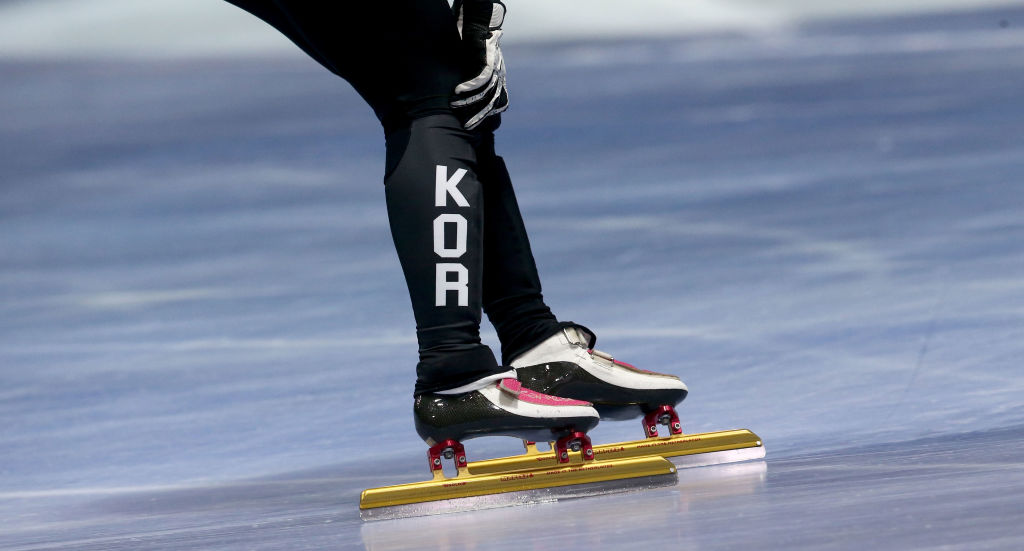
- Blades are shorter than for long track (30 to 45 cm long) and about 1.1 millimeters thick
- Blades are extremely sharp as the athletes need to maintain high speed and control in turns
- Blades are placed off-center to the left to avoid the boot touching the ice when the skaters lean into a turn
- Athletes use a more traditional skate in which the blade remains fixed to the boot at all times
- Boots lace higher up the ankle to protect the ankles and are made of fiberglass, graphite and Kevlar
Ice Hockey blades & boots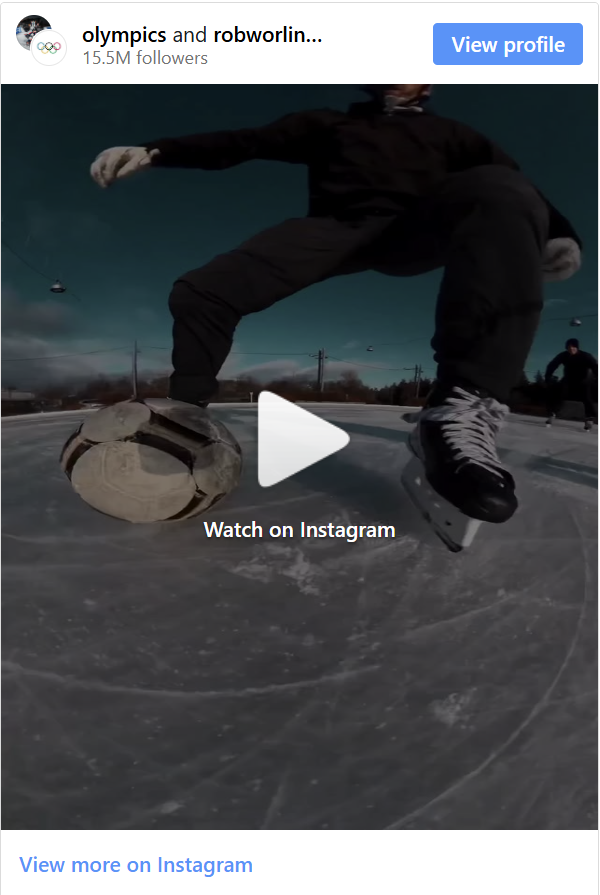
- Blades are shorter than those for figure skaters and, in general, 1 mm thinner. They are more rigid for quick turns and agility
- No toe pick
- Boots are stiff and durable for ankle support and protection against collisions and pucks
- Boots are made of leather or composite materials